



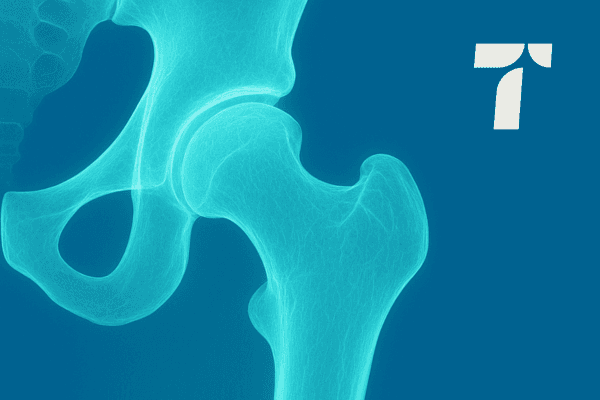

Treatment For Hip Arthritis
From Conservative Care to Hip Replacement Surgery Treatment for hip arthritis is similar to the treatment of knee arthritis, which starts with conservative treatment. The following treatment options are always a first step if patients can tolerate them:
- Over-the-counter pain relief and anti-inflammatory medication like Extra Strength Tylenol, Aleve, or Ibuprofen
- Prescription anti-inflammatory medication like Mobic (meloxicam) or Celebrex (celecoxib)
- In-office hip injection with an anti-inflammatory medication like cortisone
- Nutrition optimization
- Physical therapy
- Avoiding painful activities
Conservative management is always the first step of treatment. For many patients, conservative treatment can offer months to years of pain relief without the risks of surgery.
While joint replacement is one of the safest surgeries, all surgeries carry the risk of infection, nerve or blood vessel injury, or complications from anesthesia. Once patients have exhausted conservative treatment, they are usually candidates for hip replacement, which The Lancet named the “Operation of the Century” in 2007.
Procedure for Total Hip Replacement
MIS: Minimally Invasive Surgery
My approach is considered minimally invasive, which minimizes or avoids damage to muscles, tendons, and ligaments around your knee joint while still replacing the arthritic joint. The steps of a partial knee replacement are as follows:
My approaches are considered minimally invasive, which minimizes or avoids damage to muscles, tendons, and ligaments around your hip joint while still replacing the arthritic joint. The steps of a hip replacement are as follows:
- Before the surgery, you will receive epidural anesthesia to numb your legs and sleeping medication to allow you to sleep through the procedure while still being able to breathe on your own without a breathing tube.
- Next, the surgical area is cleaned with a series of antiseptic solutions, and sterile drapes are applied to reduce contamination.
- A small incision is made over your hip joint, and the hip joint is exposed in a way that avoids the tendons and ligaments around your hip
- The arthritic surfaces of your hip are removed with specialized surgical instruments
- Then, I select the correct shape and size components and place trial implants to ensure the form and function of your hip are optimal.
- Small adjustments are made until I am 100% satisfied with the outcome of your surgery.
- Permanent implants are placed with a fit that provides instant stability that will grow into your bone over the next few weeks
- The hip is closed in layers with sutures that will dissolve over the next few weeks. The top layer is glue that will fall off on its own. A waterproof dressing is applied that stays on for seven days.
- After surgery, patients are taken to the recovery room where they will practice walking with an assistive device, eat and drink, and work with a physical therapist to practice going up and down stairs, either returning home or staying overnight in the hospital.
Expected Outcomes
Be An Informed Patient: Download Our Patient Guide
The materials used in modern hip implants are designed to last a lifetime. I always use the latest generation of ceramic on plastic bearing surfaces whenever possible. It’s worth noting that around 95% of patients are still doing well with their hip replacement at the 15-year mark.